Selling your home in Greensboro can feel like a moving target. One date depends on another, and once you accept an offer, the contract timeline starts to matter fast. The good news is that a smoother sale usually begins before your home ever hits the market. In this guide, you’ll see what the Greensboro home seller timeline often looks like, what to do at each stage, and where preparation can help you avoid stress later. Let’s dive in.
Start With Pre-Listing Prep
In Greensboro, the seller timeline is often more contract-driven than calendar-driven. That is because in North Carolina, the due diligence period begins on the effective date of the contract, and the length is negotiated by the parties. During that period, the buyer may complete inspections, appraisal, title work, loan steps, and repair discussions.
Because so much happens after a contract is signed, your best advantage is to prepare early. Front-loading repairs, disclosures, cleaning, and marketing materials can help your listing launch stronger and reduce surprises later. For many sellers, this is the stage that has the biggest impact on the overall experience.
Handle Repairs and Presentation Early
A polished first impression can matter. According to the National Association of Realtors 2025 staging report, 29% of agents said staging increased the dollar value offered by 1% to 10%, and 49% said staging reduced time on market. Buyers’ agents also reported that photos, physical staging, videos, and virtual tours were important to buyers.
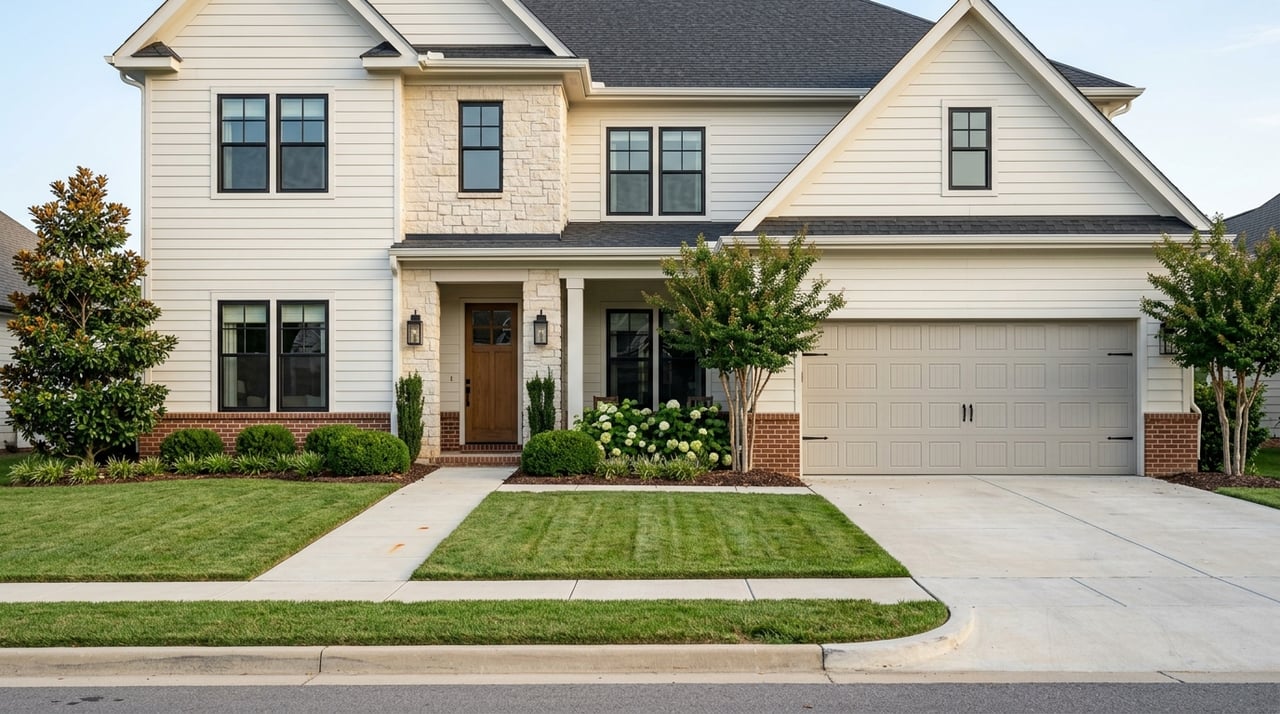
That does not mean every seller needs a full redesign. In many cases, the basics go a long way. Decluttering, deep cleaning, and improving curb appeal can make your home feel more ready the moment buyers see it.
Complete Required Seller Disclosures
North Carolina requires sellers of most residential one-to-four-unit properties to provide two disclosure forms before an offer is made. These are the Residential Property and Owners’ Association Disclosure Statement and the Mineral and Oil and Gas Rights Disclosure Statement. If those disclosures are delivered late, the buyer may receive a short rescission window.
It is also important to keep disclosures current. If you learn about a defect later, known material facts may need to be disclosed. This is one reason sellers benefit from getting organized before going live.
Plan Your Greensboro Listing Launch
If your home is broker-listed in Greensboro, it falls within Triad MLS’s mandatory listing area. Qualifying listings must be entered into Triad MLS within one business day of the effective or delayed marketing date after the seller has signed. That makes your launch timing important, especially if you are trying to coordinate final touch-ups, photography, or a move-out plan.
A simple seller sequence usually looks like this:
- Prepare the home
- Complete disclosures
- Launch the listing in MLS
- Manage showings
- Review offers
- Navigate due diligence and appraisal
- Close and record
Know How Coming Soon Works
Some sellers want a soft launch before full showings begin. Triad MLS allows a Coming Soon-No Show status, but only with a valid listing agreement and seller authorization addendum. It also requires at least one photo, lasts no more than seven days, and does not allow showings or open houses during that period.
This option can help if you want exposure before your active date. Still, it works best when you have a clear plan for when the home will be fully ready. Once buyers see your listing, expectations start forming quickly.
Expect Showings To Be A Coordination Phase
Once your home is active, the process shifts into access and scheduling. Triad MLS requires appointments for showings, and all showings and negotiations generally go through the listing broker except in limited circumstances. The listing broker also controls the showing instructions in the online system.
For you, that means the live phase is not just about putting a sign in the yard. It is about keeping the home show-ready, responding quickly to showing activity, and making access as smooth as possible within your comfort level. The easier it is for qualified buyers to see the home, the more momentum your listing can build.
Make The First Public Impression Count
By the time your home goes active, the marketing should already be polished. Buyers’ agents in the NAR staging report said photos were especially important, followed by staging, videos, and virtual tours. In practical terms, that means your first online presentation should already look clean, bright, and complete.
This is where premium listing preparation can pay off. Strong photography and thoughtful presentation help buyers understand the value of your home before they ever step inside.
Review Offers With The Full Timeline In Mind
Once an offer arrives, it is easy to focus only on price. But in North Carolina, the full contract timeline matters. The residential contract must be in writing and signed, and the standard form usually includes a negotiated due diligence fee.
That fee is paid by the buyer to the seller by the effective date, credited to the buyer at closing, and generally nonrefundable unless the seller breaches the contract. Beyond price and fee amounts, you will also want to understand the proposed due diligence period and closing date because those deadlines shape the rest of the transaction.
Compare More Than Just The Top Number
A strong offer is usually about more than the list price. You may also want to look at:
- Due diligence timing
- Closing date
- Repair expectations
- Financing strength
- Appraisal risk
A clean, realistic timeline can sometimes be just as valuable as a higher number on paper. The best choice is often the offer that gives you the strongest path to closing, not only the headline price.
Navigate Due Diligence With Fewer Surprises
Due diligence is one of the most important phases for Greensboro sellers. According to the North Carolina Real Estate Commission, this is the buyer’s opportunity to investigate the property and the transaction. That can include a home inspection, pest inspection, septic review if relevant, survey, appraisal, title search, loan qualification, loan application, and repair negotiations.
During this period, the buyer may terminate the contract for any reason or no reason before the due diligence period expires. That is why preparation before listing matters so much. The more issues you address upfront, the more confidence you may create once the home is under contract.
Understand Repair Negotiations
Repairs are negotiable in North Carolina. As the seller, you are not required to agree to every request. Still, if you do agree to repairs, the North Carolina Real Estate Commission says they should be completed in a good and workmanlike manner before settlement.
The buyer also has the right to verify agreed repairs and complete a final walk-through even after the due diligence period has ended. If a repair will be completed after closing, the parties should use a written escrow agreement prepared by an attorney. That is one reason realistic scheduling matters from the start.
Stay Ahead Of Appraisal Timing
Appraisal can also affect your timeline. An appraisal is an independent estimate of value based on comparable sales and the home’s features. If the appraisal comes in below the contract price, the parties may need to renegotiate or review the valuation.
This does not happen in every transaction, but it is one reason sellers should keep some flexibility in the calendar. A deal may still move forward, but it can take extra coordination when value questions come up.
Keep Closing On Track
The final stretch involves more than signing papers. The North Carolina Real Estate Commission advises brokers to communicate with the lender, inspector, surveyor, and closing attorney before dates are set so due diligence and closing deadlines are realistic. Good coordination can help prevent last-minute delays.
For sellers, this is the time to stay responsive, finish agreed items, and keep documents moving. Even when everything seems settled, a file can still need one more update, one more invoice, or one more confirmation before closing can happen.
What Closing Day Means In North Carolina
In North Carolina, the transaction is not truly complete until the deed and any required mortgage or deed of trust are recorded. State law requires the settlement agent to cause recordation, and closing funds are not disbursed until the collected-funds and recordation requirements are satisfied.
For Greensboro sellers, that recordation step runs through the Guilford County Register of Deeds. Guilford County also posts recording fees and deed excise tax, which are part of the final closing picture and can affect your net proceeds.
Leave A Little Buffer
Even a well-managed sale can need extra time at the end. The buyer’s final walk-through remains part of the process, and the buyer may verify agreed repairs and inspect the property even after due diligence has ended. It is smart to leave the home in the condition promised by the contract and build a small buffer around your move and closing plans.
That extra breathing room can make a big difference if recording, repairs, or lender timing take longer than expected. A smooth closing is often the result of steady follow-through, not last-minute rushing.
A Simple Greensboro Seller Timeline
If you want the process in plain English, here is the typical flow:
- Prepare the home with cleaning, decluttering, repairs, and marketing
- Complete required North Carolina seller disclosures
- Launch in Triad MLS, or use Coming Soon-No Show if appropriate
- Begin showings once the listing is active
- Review offers based on price, terms, and timeline
- Go under contract and begin due diligence
- Work through inspections, repair negotiations, loan steps, title work, and appraisal
- Complete final walk-through and closing steps
- Close after recordation through Guilford County
If you are selling in Greensboro, the cleanest path is usually the one that starts early. When your home is prepared, your disclosures are ready, your presentation is polished, and your timeline is realistic, you give yourself a stronger chance at a more confident sale from prep to closing.
If you want clear guidance, responsive communication, and a local team that can help you plan each step, schedule a free consultation with Michelle Chapman.
FAQs
How long is the home seller timeline in Greensboro?
- The Greensboro seller timeline is not fixed because much of it depends on the negotiated contract terms, especially the North Carolina due diligence period and closing date.
What disclosures are required for home sellers in North Carolina?
- Sellers of most residential one-to-four-unit properties must provide the Residential Property and Owners’ Association Disclosure Statement and the Mineral and Oil and Gas Rights Disclosure Statement before an offer is made.
Can a Greensboro home be listed as Coming Soon?
- Yes, Triad MLS allows a Coming Soon-No Show status with a valid listing agreement and seller authorization addendum, but it lasts no more than seven days and does not allow showings or open houses.
When do showings start for a Greensboro home listing?
- Showings can begin once the listing is active, and Triad MLS requires appointments for showings with instructions managed through the listing broker.
What happens during due diligence for a North Carolina home sale?
- During due diligence, the buyer may investigate the property and transaction through inspections, appraisal, title work, financing steps, and repair discussions, and may terminate before the period expires.
Is a Greensboro home sale complete when papers are signed?
- No, in North Carolina the sale is not complete until the deed and any required mortgage documents are recorded and the collected-funds requirements are satisfied.