If you price your Winston-Salem home too high, you may not get a second chance at a strong first impression. Buyers today have options, they are watching their monthly payments closely, and many are negotiating. The good news is that with the right pricing strategy, you can attract serious interest and protect your bottom line. Let’s dive in.
Why pricing matters right now
Winston-Salem is not a market where you can simply name a high number and expect buyers to chase it. In February 2026, Redfin reported a median sale price of $289,500, about 2 offers on average, and a median of 68 days on market. That points to a market where buyers still act, but not without comparison and caution.
Other major data sources show a similar pattern. Realtor.com classified Winston-Salem as a balanced market, with a median list price of $298,000, a 98% sale-to-list ratio, and a median 53 days on market in February 2026. Zillow also reported that 68.3% of sales closed under list price, which tells you modest negotiation is common.
Mortgage rates also play a role in how buyers respond to price. Freddie Mac reported a 30-year fixed mortgage rate of 6.38% on March 26, 2026. When rates stay elevated, even small pricing differences can affect affordability and limit your buyer pool.
Start with local comps
The best list price usually starts with a comparative market analysis, often called a CMA. According to the National Association of Realtors, pricing should reflect your home’s size, location, amenities, and condition, along with similar recently sold properties nearby. A strong CMA can also include homes that are under contract and currently active, because those listings show your current competition.
This is especially important in Winston-Salem because price points can vary widely across the city. Realtor.com neighborhood data shows a range from about $194,700 in East-Northeast Winston-Salem to about $401,000 in West Suburban Winston-Salem. That gap is a good reminder that citywide averages can miss what matters most for your specific area.
In practical terms, that means your home should be compared to the closest possible matches in the same micro-market. The right comps should be similar in square footage, bedroom and bathroom count, lot features, age, updates, and overall condition. Pricing from highly local data usually gives you a much more accurate launch point than relying on broad market headlines.
Don’t price from emotion
It is natural to feel your home is worth more because of your memories, effort, or improvements. But buyers do not price homes based on sentiment. They compare your property to other available options and recent sales.
NAR’s seller guidance says it is often smart to price at the lower end of a realistic value range rather than pushing to the very top. It also notes that homes priced more than 3% over the correct price tend to take longer to sell, according to its seller pricing guidance. In a market like Winston-Salem, where sale-to-list ratios are hovering around 98%, overpricing can reduce showings early and lead to price cuts later.
That is why pricing precision matters more than optimism. A strategic price can create stronger interest, better activity in the first few weeks, and a clearer path to solid offers.
Understand what buyers are comparing
When buyers look at your home online, they usually compare it to several others in the same price range. If your home appears noticeably higher than similar options, many buyers will skip it before they ever schedule a showing. That can hurt your momentum right away.
A well-priced home stands out for the right reasons. It looks competitive, justified, and easier to act on. In a balanced market, that positioning can be more valuable than aiming high and hoping someone stretches.
Today’s buyers are also payment-sensitive. With mortgage rates above 6%, a list price that feels even a little aggressive can push a home out of reach for part of the market. That is one reason careful pricing can matter just as much as marketing.
Condition affects price
Price is not only about square footage and location. Condition, presentation, and updates matter too. NAR says value can be influenced by repairs, amenities, and the overall condition of the home, as explained in its consumer guide to pricing your home.
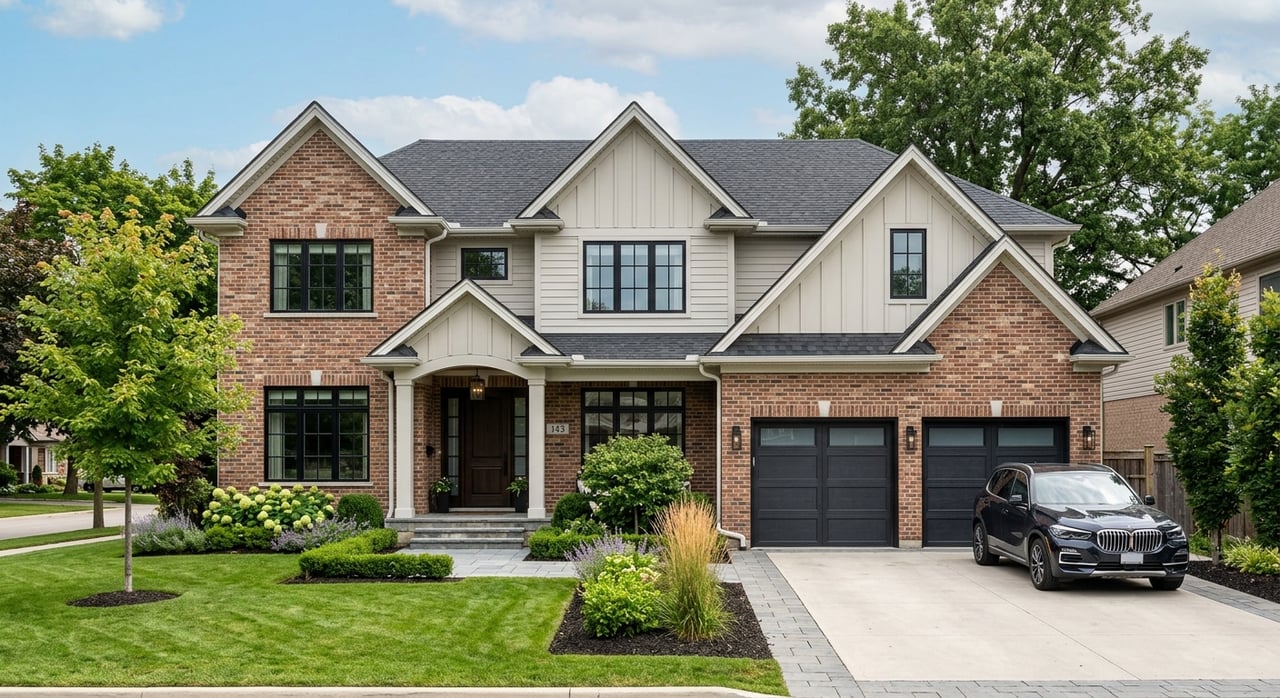
You do not always need a full renovation to improve your position. According to NAR’s 2025 staging report, 29% of agents said staging led to a 1% to 10% increase in the dollar value offered, and 49% said it reduced time on market. The most common recommendations included decluttering, cleaning, and improving curb appeal.
If your home is updated and shows well, that may support pricing near the top of a realistic range. If it needs cosmetic work or competes with newer listings, pricing should reflect that. Buyers tend to notice condition quickly, especially when they are comparing homes online first.
Tax value is not the same as market value
Many sellers ask whether the county’s assessed value should guide their list price. It can be a reference point, but it is not the same thing as current market value. That distinction matters.
Forsyth County explains that its assessed value is an estimate of likely sale price as of January 1, 2025, and that appraisers use a market-area approach based on recorded sales. The county also reviews sales and excludes disqualified transfers such as gifts or family transfers. That process is useful for taxation, but your list price should reflect current buyer demand, current competition, and your home’s present condition.
In other words, the tax number is not a pricing strategy. A current CMA gives you a more accurate picture of where your home fits in today’s market.
Watch the first 30 days
The first few weeks on the market are often the most important. That is when your listing is freshest and when buyers who have been waiting for a home like yours are most likely to notice it. If the price misses the mark, you can lose valuable momentum.
NAR advises that if a home has been on the market more than 30 days without an offer, sellers should at least consider lowering the price, according to its seller handout on improving the odds of an offer. In Winston-Salem, where homes are taking a median of roughly 53 to 68 days to sell depending on the source, that guidance is especially relevant.
A price adjustment is not a failure. It is a response to real market feedback. The goal is not to defend the original number. The goal is to get sold with the strongest possible net proceeds.
Price for net proceeds, not just list price
A higher list price does not always lead to a better outcome. If a home sits too long, you may face fewer showings, more negotiation, and pressure to reduce the price later. In some cases, that can leave you with a lower final result than if you had priced correctly from the start.
That is why smart sellers focus on net proceeds, not just the opening number. A strong pricing strategy considers likely buyer response, the amount of competition, timing, condition, and how appraisal and financing may affect the transaction. Since NAR notes that the final sale price should align with a lender’s estimate of value, realistic pricing can also help your deal stay together.
What a smart pricing plan looks like
A strong pricing plan in Winston-Salem usually includes a few key steps:
- Review recent sold homes in your immediate area
- Compare pending and active listings that buyers will see beside yours
- Adjust for size, layout, lot features, updates, and condition
- Consider current buyer affordability and mortgage-rate pressure
- Prepare the home so its presentation supports the chosen price
- Reassess quickly if the market response is weaker than expected
This approach is simple, but it is not casual. It takes local knowledge, close attention to detail, and a willingness to follow the data instead of wishful thinking.
Why local guidance matters
Two agents may not give you the exact same pricing recommendation, and that does not always mean one is wrong. NAR notes that an agent’s knowledge of the local market can affect the suggested listing price. In a city with wide variation between submarkets, local experience matters.
That is one reason neighborhood-level analysis is so important. A home in one part of Winston-Salem may compete in a very different price band and buyer pool than a similar-sized home elsewhere. The more local and current the pricing analysis, the more useful it will be.
If you are thinking about selling, the right guidance can help you avoid the two biggest pricing mistakes: leaving money on the table or chasing a number the market will not support. If you want a data-driven pricing strategy and clear next steps, connect with Michelle Chapman for a free consultation.
FAQs
How should I price my Winston-Salem home in today’s market?
- Start with recent nearby comps, current active competition, your home’s condition, and current buyer demand rather than choosing a number based on emotion or a tax assessment.
Is overpricing a Winston-Salem home a good way to leave room for negotiation?
- Usually no, because NAR says homes priced more than 3% over the correct price tend to take longer to sell, and current local data shows modest negotiation is already common.
Is Forsyth County tax value the same as Winston-Salem market value?
- No, because the county says assessed value is its estimate of likely sale price as of January 1, 2025, while market value should reflect current conditions, competition, and property condition.
How much does home condition affect pricing in Winston-Salem?
- Condition can affect value significantly because buyers compare updates, repairs, presentation, and curb appeal alongside size and location.
When should I reduce the price of my Winston-Salem home?
- If your home has been on the market for more than 30 days without an offer, NAR says you should at least consider a price reduction based on market feedback.
Why do I need neighborhood-specific comps for a Winston-Salem home sale?
- Because Winston-Salem has a wide range of price points across different areas, so citywide averages may not reflect what buyers will pay in your specific micro-market.