When you’re trying to sell your Greensboro home while raising kids, managing pets, and keeping up with everyday life, it can feel like the house is never truly ready. You are not alone, and you do not need a picture-perfect routine to make a strong impression on buyers. With the right systems, you can keep your home show-ready, reduce stress, and focus on the updates that actually matter in today’s market. Let’s dive in.
Why presentation matters in Greensboro
In Greensboro, sellers may not have a long window to get organized after listing. Current market data suggests homes are moving in a fairly active environment, with one source reporting homes going pending in around 23 days and another showing a median 42 days on market in March 2026. The exact numbers vary by source, but the message is clear: your home needs to show well from the start.
That matters even more in a balanced market, where buyers have options and may compare several homes before making an offer. If your space feels clean, open, and easy to live in, buyers are more likely to picture themselves there. That first impression can influence both showing activity and the offers you receive.
Focus on function, not perfection
If you have kids, pets, and a full calendar, aiming for perfection usually backfires. A better goal is to make your home feel calm, spacious, and manageable for buyers walking through. That means reducing visual noise, opening up the rooms, and keeping daily-life items easy to hide quickly.
Staging research supports this approach. Many agents report that staging helps buyers visualize a property as a future home, and common staging steps include cleaning, decluttering, repairing, depersonalizing, and updating. In real life, that means your home does not need to look fancy. It needs to feel move-in ready.
Create one overflow zone
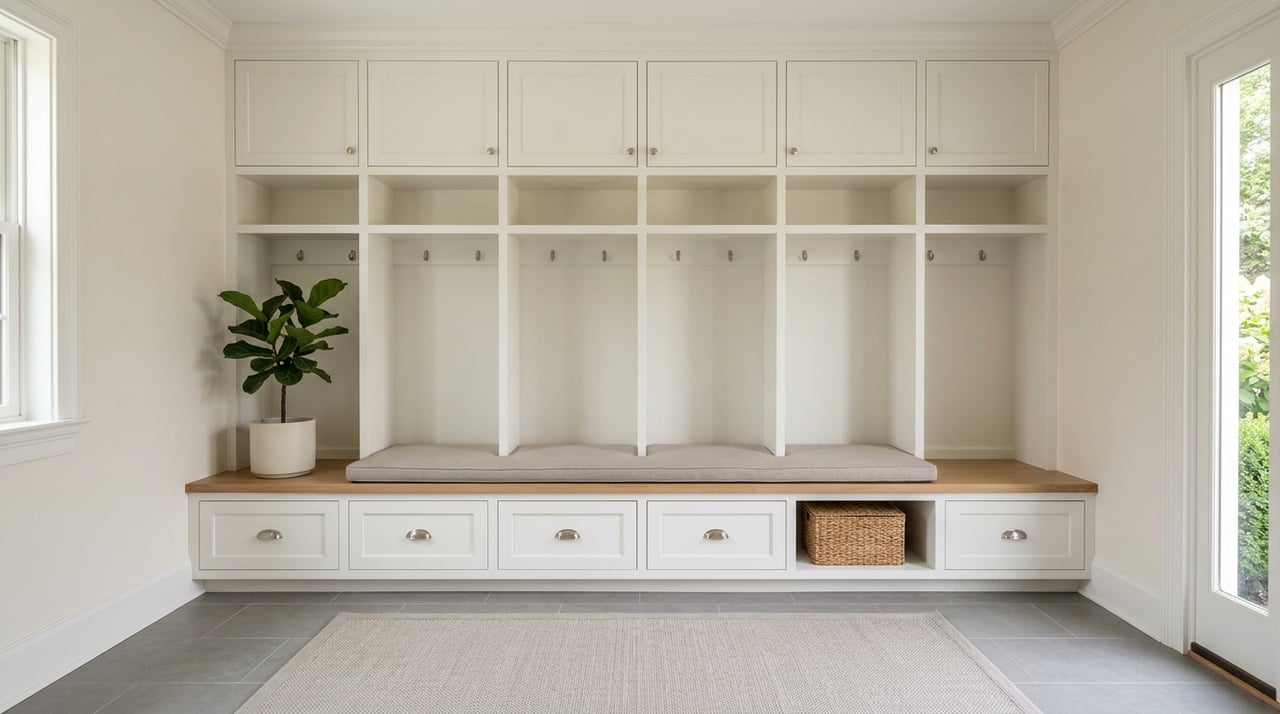
One of the easiest ways to stay show-ready is to stop trying to organize every room perfectly. Instead, create one dedicated overflow zone for the items that tend to spread through the house. This can be a closet, part of the garage, a storage bench, a laundry room shelf, or even an off-site storage unit.
Use that spot for the things buyers do not need to see every day. Think toys, school papers, backpacks, sports gear, pet supplies, and craft projects. When your home has one go-to drop zone, the rest of the house becomes much easier to reset before a showing.
What should stay packed until closing
Some items are worth boxing up early and keeping out of sight until your move. This helps rooms feel larger and less personalized.
Consider packing away:
- Extra toys and stuffed animals
- Out-of-season clothes
- Most family photos and personal collections
- Extra pet beds, crates, and toys
- Small appliances you do not use daily
- Decorative extras that crowd shelves and counters
- Overflow pantry items and bulk supplies
- Off-season sports equipment
If you use it every day, keep it accessible. If you use it once a week or less, it is probably a good candidate to pack now.
Build a simple daily reset routine
The best showing plan is the one you can actually repeat. For most busy households, a short reset at night and a faster version before each showing works better than marathon cleaning sessions.
Your evening reset can take 15 to 20 minutes. Focus on putting away the items that make rooms feel smaller or more chaotic. Then before a showing, do a quick pass to freshen up the spaces buyers notice first.
Your nightly reset checklist
- Clear kitchen and bathroom counters
- Put away laundry
- Pick up floors in main living areas
- Return toys, backpacks, and school items to the overflow zone
- Straighten bedding and sofa cushions
- Empty trash if needed
- Open blinds or curtains for natural light the next day
Your pre-showing checklist
- Turn on lights in darker rooms
- Hide hampers, baskets, and cleaning supplies
- Wipe visible surfaces
- Store pet bowls, litter boxes, beds, and toys
- Do a quick odor check
- Make sure entryways and hallways feel open
What buyers notice most
Buyers often respond to homes that feel easy to live in day to day. Research shows they care about factors tied to convenience and livability, including affordability, access to work and shopping, and features related to schools, parks, and recreation. For pet owners, access to outdoor space and pet-related convenience can also matter.
That is why the smartest seller prep usually starts with clean sightlines and useful space. Buyers are less focused on your décor style and more focused on whether the home feels bright, practical, and well cared for. Neutral walls, open surfaces, good lighting, and visible storage all help support that impression.
Selling with kids in the house
Kids live big in a home, even when they are small. Their gear tends to collect in the kitchen, living room, bedrooms, and entryway, which can make the house feel crowded faster than you realize. The key is not to erase family life. The goal is to make the home feel spacious and easy to maintain.
Start with the rooms buyers will judge most quickly. Usually that means the kitchen, living room, primary bedroom, and bathrooms. If time is short, put your effort there first, then work outward to bonus rooms, playrooms, and secondary bedrooms.
Kid-friendly showing strategies
- Limit visible toys to a small basket in one room
- Keep bathroom counters nearly clear
- Use matching bins for quick cleanup
- Store homework and papers out of sight
- Leave only a few books on shelves
- Keep walkways and stairs clear of shoes and gear
If a room has become a full-time play space, consider scaling it back before listing. Buyers want to understand the room’s size and purpose. Too much furniture or too many colorful items can make that harder.
Selling with pets in the house
Pet management is one of the biggest factors in a smooth showing experience. Research shows that many agents recommend removing pets during showings, and common seller steps include cleaning to remove pet scent, removing pet objects, and repairing damage. In other words, buyers notice more than the pet itself.
They may notice scratched floors, worn trim, lingering odors, fur on upholstery, or a crate taking up half a bedroom. Even buyers who love animals can get distracted by signs of pet wear and tear. That is why your pet plan should include scent, storage, and scheduling.
Your pet exit plan for last-minute showings
The easiest plan is one you can use on short notice. Try to decide before listing where your pets will go if a same-day appointment comes in.
Options may include:
- A walk around the neighborhood during the showing
- A friend or family member who can help
- Day boarding or doggy day care
- A crate and car ride as a short-term backup
- A standing plan to leave with pets and a small grab bag
Keep a pet showing kit near the door with leashes, waste bags, treats, a towel, and a portable water bowl. Also have a basket or cabinet ready for bowls, litter supplies, toys, beds, and crates so you can remove them quickly.
Prioritize repairs buyers will notice
If your house is busy and your budget is limited, choose high-visibility improvements first. Staging guidance points to decluttering and cleaning as top priorities, followed by repairs and updates that affect how cared-for the home feels. Pet-related research also highlights the importance of addressing damage and odor.
That means you should focus on the issues buyers are likely to see or smell right away. You do not have to tackle every project before listing, but the obvious ones deserve attention.
Best repairs to prioritize first
- Deep cleaning throughout the home
- Carpet cleaning or replacement if needed
- Floor touch-ups or refinishing for visible wear
- Paint touch-ups in high-traffic areas
- Repairing scratched trim, doors, or screens
- Replacing burned-out bulbs and improving dim lighting
- Fixing obvious hardware, leaks, or damage
When in doubt, start with anything that makes the home feel less clean, less bright, or less maintained.
If time is tight, do these four things
Sometimes life does not leave much room for a full pre-listing prep plan. If that is where you are, focus on the tasks most likely to improve buyer perception quickly.
Here is the best order to follow:
- Declutter main living spaces, counters, and floors
- Deep clean with extra attention to kitchens, baths, and odors
- Remove pets for showings and hide pet-related items
- Fix visible problems like lighting, worn flooring, and damage
This order gives you the biggest return on effort when your calendar is packed.
Keep disclosures separate from staging
A clean home and a legally complete sale are not the same thing. In North Carolina, most residential sellers must provide a Residential Property Disclosure Statement. The law allows owners to disclose known conditions or state that they make no representations, and it includes topics such as structural systems, zoning or restrictive covenants, and environmental contamination.
If your property is part of an owners’ association or subject to mandatory covenants, there is also a separate HOA disclosure requirement. That disclosure can include association contact information, dues, special assessments, services, unpaid fees, lawsuits or judgments, and transfer-related fees.
What to gather before listing
- Residential Property Disclosure Statement information
- HOA or covenant documents, if applicable
- Association contact details
- Current dues and any special assessment details
- Transfer fee information
- Notes on known property issues or past repairs
Having these items organized early can help your listing move forward with fewer surprises.
What if something changes after listing?
This is an important point for North Carolina sellers. If something happens after you sign your disclosure that makes it inaccurate, you need to promptly update the buyer or correct the problem. A roof leak that starts after listing is a good example.
This is different from staging. Clutter, toys, and pet supplies are presentation issues. Known defects or changed conditions are disclosure issues, and they need to be handled clearly and quickly.
Older Greensboro homes and lead disclosure
If your home was built before 1978, lead-based paint disclosure is a separate legal task to handle before contract signing. Buyers and renters of most pre-1978 housing have the right to know whether lead-based paint or lead-based paint hazards are present. That is especially important to treat carefully in households with children.
This is not the same as cleaning, repainting, or decluttering. It is a disclosure requirement, so be sure it is handled as part of your listing preparation.
A calmer sale starts with a better plan
Selling a lived-in home in Greensboro does not require perfection. It requires a clear system, smart priorities, and a marketing plan that respects the reality of your daily life. When you focus on decluttering, clean sightlines, pet management, visible repairs, and organized paperwork, you give buyers a better experience and give yourself a more manageable path to closing.
If you want a responsive, hands-on plan for getting your home market-ready without adding more chaos to your week, Michelle Chapman can help you map out the right next steps.
FAQs
How do you keep a Greensboro home show-ready with kids living there full time?
- Use one overflow zone for toys, school items, and daily clutter, then do a short nightly reset and a fast pre-showing cleanup focused on counters, floors, and visible storage.
What is the easiest pet plan for last-minute Greensboro showings?
- Set up a backup exit plan before listing, such as a walk, day boarding, or help from a friend, and keep a grab-and-go pet kit ready so you can leave quickly with minimal stress.
What should Greensboro sellers pack away before listing?
- Pack items that are not needed daily, including extra toys, family photos, seasonal clothing, extra pet supplies, bulky pantry overflow, and decorative pieces that make rooms feel crowded.
What disclosure paperwork should Greensboro sellers prepare before listing?
- Most sellers should be ready to complete the North Carolina Residential Property Disclosure Statement, and if the home is in an HOA or under mandatory covenants, gather association details, dues, fees, assessments, and related documents too.
What should a North Carolina seller do if a problem appears after the home is listed?
- Promptly update the buyer with corrected disclosure information or fix the issue, because a change in property condition after signing the disclosure needs to be addressed clearly and quickly.
Do older Greensboro homes need lead-based paint disclosure?
- If the home was built before 1978, lead-based paint disclosure is generally a separate required step before contract signing and should be handled as part of listing preparation.