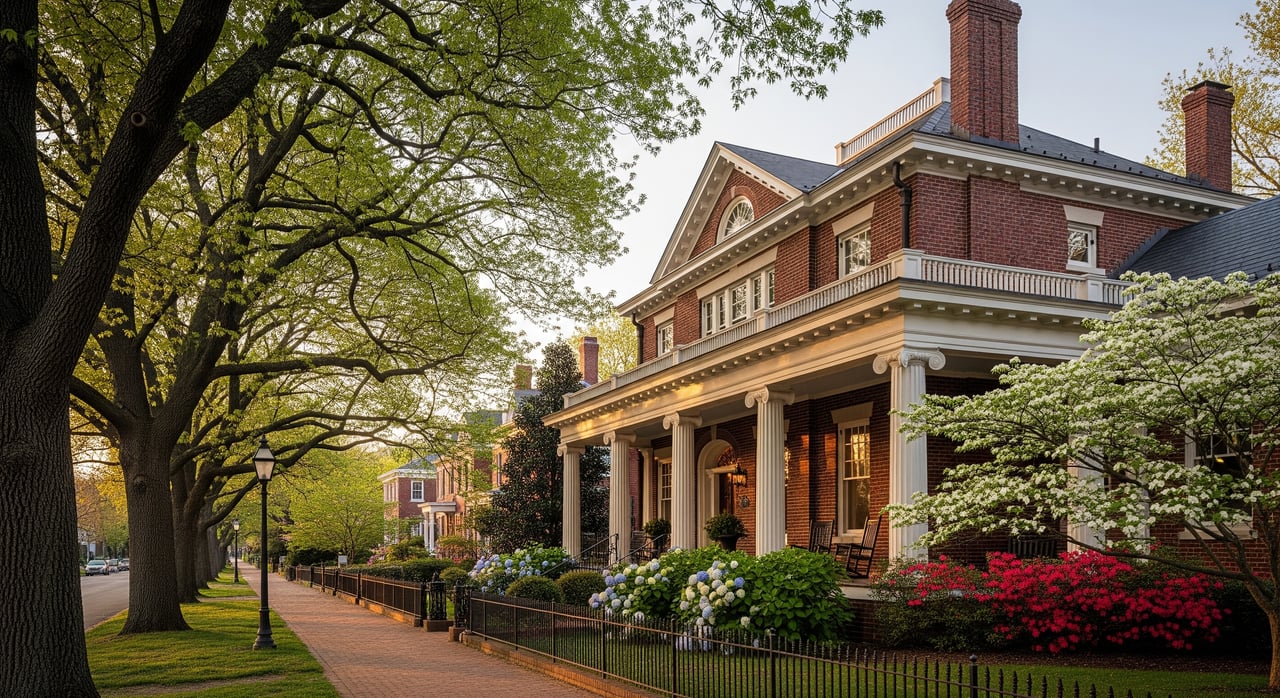
If you love tree-lined streets, front porches, and homes with true character, Greensboro’s historic areas might feel like they were built for you. Maybe you want a walkable neighborhood near parks and local cafes, or you’re drawn to the craftsmanship in a 1920s bungalow. You’ll find all of that here, along with a few practical trade-offs that come with older homes. In this guide, you’ll learn what day-to-day life looks like, which neighborhoods to explore, and what to know before you buy so you can make a confident decision. Let’s dive in.
Why Greensboro’s historic areas stand out
Older Greensboro neighborhoods offer a comfortable, “urban-ish” feel without the intensity of a big city center. You’ll see sidewalks, smaller front setbacks, and a patchwork of lot sizes that create charming, varied streetscapes. Mature shade canopies make morning walks pleasant in every season.
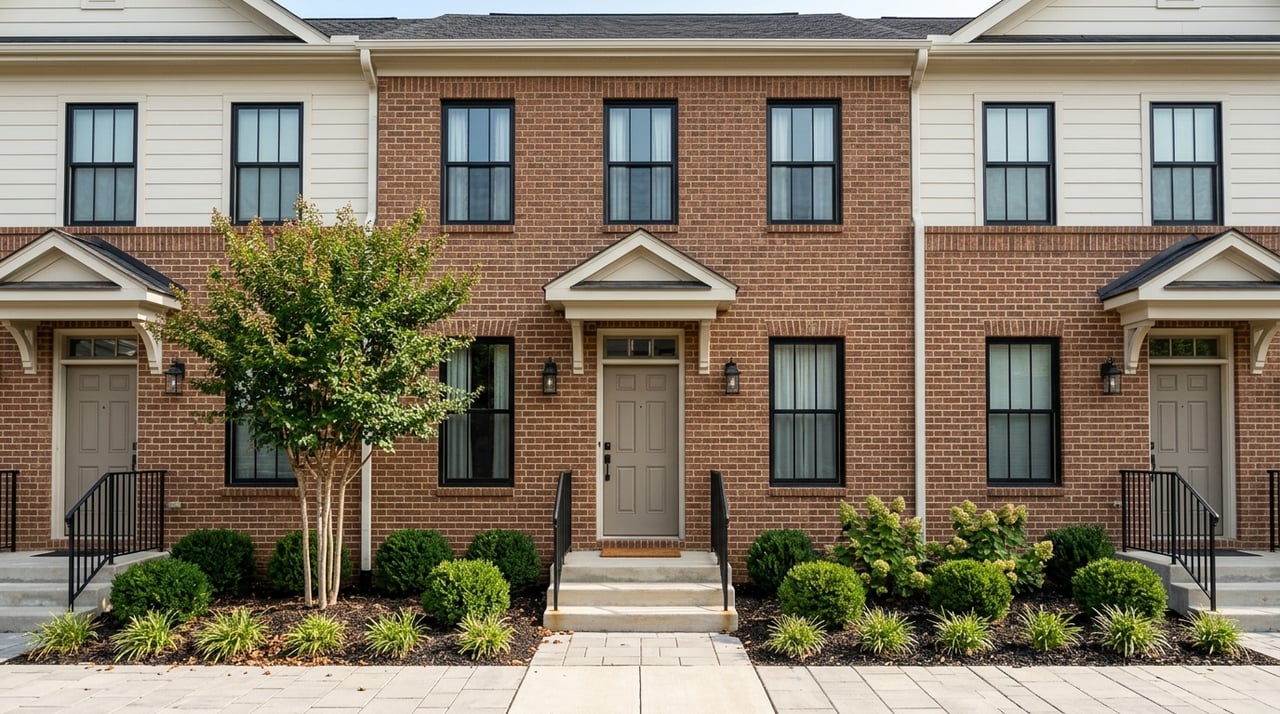
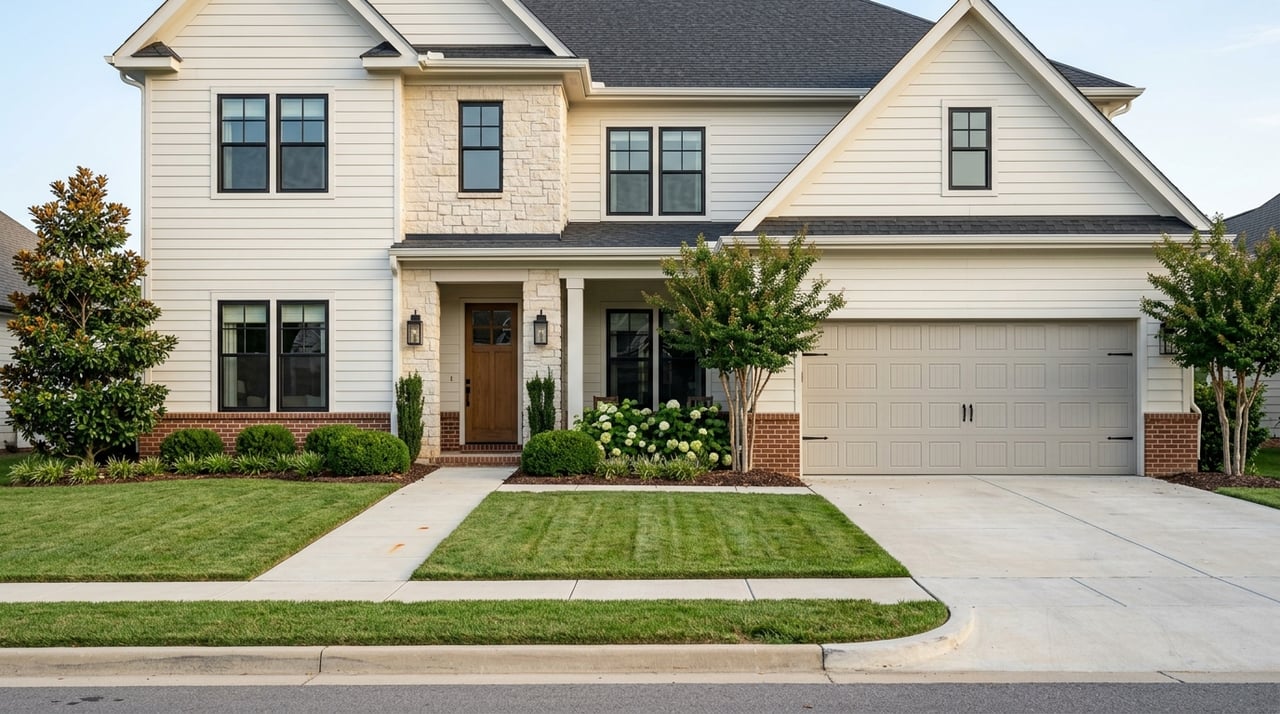
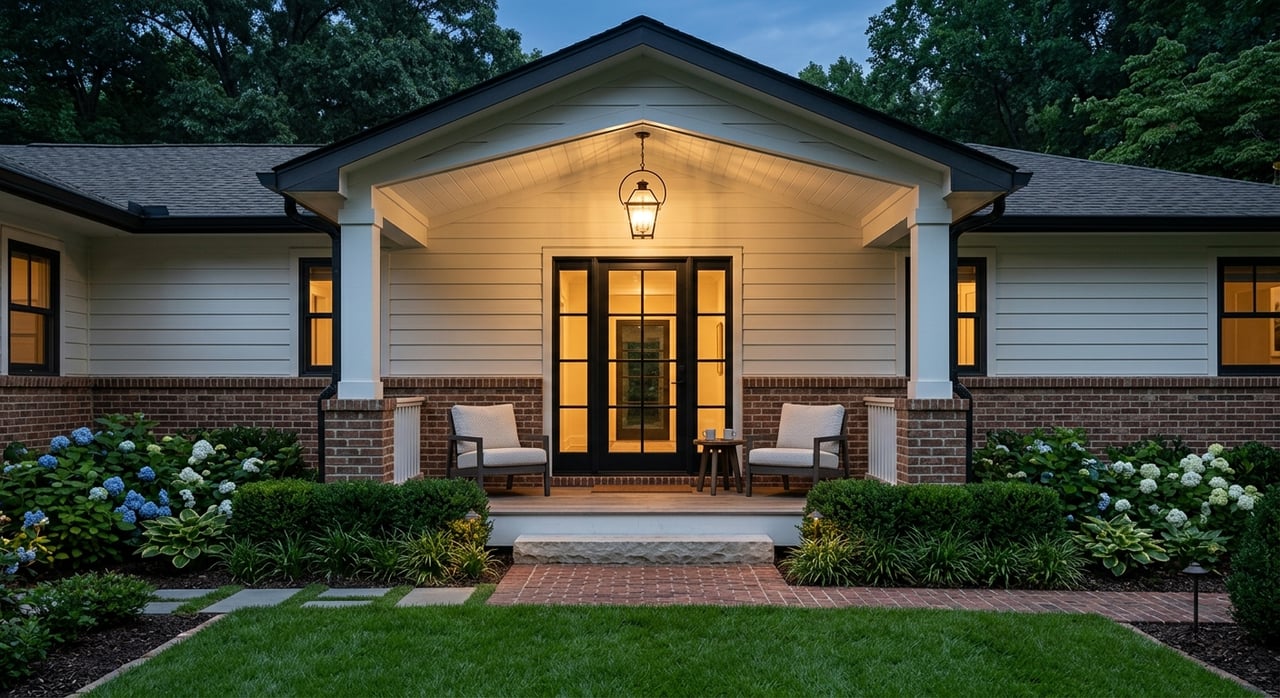
Architecture is a major draw. You’ll spot Craftsman bungalows with exposed rafter tails, American Foursquares with deep porches, and Colonial Revival, Tudor, and occasional Victorian elements. Many homes were built between 1900 and 1940, with later renovations and infill adding some mid-century variety.
Lifestyle is as much about community as it is about design. Expect proximity to parks, local restaurants and cafes, cultural venues, and a steady rhythm of neighborhood events. If you enjoy waving to familiar faces on your evening walk or chatting with neighbors at a block gathering, these areas will likely feel like home.
Neighborhood snapshots
Fisher Park
Centered on a formal city park, Fisher Park blends early 20th-century architecture with curving, tree-lined streets. You’ll find large bungalows, Colonial Revival homes, and grand porch-front residences that open onto green space. It has a strong neighborhood identity, regular community activity, and great access to downtown.
Irving Park
Irving Park is known for larger lots and estate-style homes, set among carefully maintained landscaping. The feel is more private and less dense than other inner-city historic neighborhoods. If you want space and elegance with central-city convenience, Irving Park often fits the bill.
College Hill and the UNCG area
This historic district near the university mixes single-family homes with small multi-family properties. Some older houses have been repurposed as apartments or offices close to campus. It’s walkable, convenient, and has a youthful energy in parts thanks to the proximity to UNCG.
Lindley Park, Glenwood, Westerwood, Sunset Hills, and Southside
These established neighborhoods offer a range of early-to-mid 20th-century homes. You’ll see Craftsman bungalows, foursquares, modest Colonial Revival houses, and some mid-century designs. Many blocks are walkable to parks and small commercial strips with coffee shops, neighborhood bars, and locally owned restaurants. Community events and proximity to downtown are part of the appeal.
Daily life: walkability, parks, and culture
Walkability and green space
Sidewalks and mature trees make walking enjoyable in many historic areas. Several neighborhoods were built around parks or near small municipal green spaces, giving you an easy way to unwind outdoors. You’ll also find larger destinations like the Greensboro Arboretum and numerous city parks within a short drive.
Commute and regional access
Living close to the city’s center typically means a shorter drive to downtown Greensboro and nearby employers. Greensboro’s location in the Piedmont places you near major highways like I-40 and I-85, which helps with regional travel. If you want to bike to a coffee shop or get to a performance downtown without a long commute, these neighborhoods make that simple.
Dining and cultural scene
Older neighborhoods are often near independent restaurants, cafes, and community theaters. Proximity to UNCG and downtown cultural institutions adds to the mix, from galleries to museums to live performances. If you value local flavor over chains, you’ll appreciate the day-to-day options.
Schools and services
School assignments vary by address, and boundaries can change. Always confirm with Guilford County Schools for the latest information. Everyday services like grocery stores, medical offices, and small retail are usually nearby, whether within the neighborhood or a short drive away.
Key trade-offs to consider
Maintenance and hidden costs
Older homes often come with older systems. You may encounter electrical upgrades (for example, replacing knob-and-tube or outdated panels), galvanized or cast-iron plumbing, aging roofs, and foundation or settling questions. Homes built before 1978 can have lead-based paint, and some materials may contain asbestos, so plan for testing and safe abatement when renovating.
Energy efficiency
Many historic homes started life with single-pane windows and minimal insulation. Upgrades like attic insulation, storm windows, and modern HVAC can significantly improve comfort and lower operating costs. These investments pay off over time, but they should be part of your upfront budget planning.
Parking and street design
Expect narrower streets and limited off-street parking on some blocks. On-street parking is common and, in certain zones, you might see permit or time restrictions. If you rely on multiple cars or need garage space for hobbies, vet parking conditions before you buy.
Accessibility and layout
Original floor plans often include smaller bathrooms, tighter doorways, and multiple short stair runs. If you need main-level living or wider clearances, plan for design changes. Some owners add a first-floor suite or rework traffic flow to improve day-to-day livability.
Historic-district rules and approvals
Some properties sit inside local historic districts or conservation overlays. That can mean additional review for exterior changes like windows, siding, porch details, or additions. Interior work is typically less regulated, but permits are still required for structural, electrical, plumbing, and HVAC changes.
Before you commit, check with the City of Greensboro’s Planning and Development Department to understand any design review process, timelines, and allowable materials. Preservation organizations and neighborhood associations are also helpful for guidelines and best practices. If the property or district is listed at the state or national level, consult the North Carolina State Historic Preservation Office and the National Register of Historic Places for context and potential programs.
Financing, insurance, and resale
Lenders may ask for additional inspection detail or appraiser commentary on older homes. Renovation-friendly loans can help you finance repairs or upgrades as part of your purchase. Options to discuss include FHA 203(k), Fannie Mae HomeStyle, and any local programs that support rehabilitation.
Insurance can be different for older construction, especially roofs, plumbing types, or electrical systems that carry higher risk. Get quotes early so you can compare premiums and coverage terms. For resale, character and location help sustain demand in historic areas, but value depends on condition, layout, and how thoughtfully updates are done.
Smart renovation strategies
Choose contractors experienced with older homes, especially when historic details and materials are involved. Costs per square foot can be higher than new construction because older homes may need structural work, custom millwork, or code upgrades. A phased plan is often best: tackle safety and systems first, then move to cosmetic updates and energy improvements.
When modernizing, balance today’s preferences with the home’s historic character. For example, you might open sightlines modestly without removing key architectural details, add a second bath where it fits naturally, or integrate a practical mudroom while preserving original trim and windows.
Buyer due-diligence checklist
Use this quick list to move from browsing to making a smart offer:
- Schedule a thorough home inspection focused on:
- Roof, foundation, and moisture or termite issues
- Electrical system type and capacity
- Plumbing materials and condition
- HVAC age and ductwork
- Presence of lead-based paint or asbestos if the home predates 1978
- Verify local planning and preservation rules:
- Confirm whether the property is inside a designated historic district
- Review any design guidelines and approval timelines for exterior work
- Ask the seller for recent utility bills, maintenance history, and renovation records
- Get early insurance quotes tailored to the home’s roof, plumbing, and electrical systems
- Confirm school boundaries directly with Guilford County Schools
- Request zoning and land-use verification from the City of Greensboro
- Draft a preliminary renovation budget and timeline with an older-home-savvy contractor
Is a historic home a fit for you?
If you want character, community, and a lifestyle close to Greensboro’s cultural core, historic neighborhoods deliver. You’ll enjoy walkable streets, porch culture, and distinctive architecture that newer subdivisions can’t replicate. In return, you accept some maintenance, energy, and parking trade-offs and plan accordingly.
The best way to decide is to experience these streets in person. Walk a few blocks at sunset, sit in the park with a coffee, and tour homes that match your budget and renovation comfort level. If you like what you feel, a thoughtful plan and the right team will make ownership smooth.
Ready to explore historic Greensboro with a local guide who understands older homes, renovations, and neighborhood nuance? Connect with Michelle Chapman for tailored buyer representation and a clear path from dreaming to keys in hand.
FAQs
Are historic homes in Greensboro more expensive to maintain?
- Often yes. Older roofs, plumbing, electrical systems, and energy upgrades can add cost over time, but actual expenses vary by each home’s condition and prior renovations.
Will I be limited in how I renovate a historic Greensboro home?
- Possibly for exterior changes if the home is inside a local historic district. Interior work typically has fewer restrictions, but permits still apply for systems and structural updates.
How close are historic neighborhoods to downtown Greensboro?
- Many sit within a short drive or reasonable bike ride of downtown, which can reduce commute times to central employers and make cultural outings easier.
How do I check schools for a historic-neighborhood address in Greensboro?
- Contact Guilford County Schools to confirm current assignments and boundaries, since they can change and vary street by street.
Are there incentives for historic rehabilitation in North Carolina?
- Some programs exist, especially for income-producing properties. Check with the North Carolina State Historic Preservation Office for current guidance and eligibility.
What should I prioritize during an inspection of an older home?
- Focus on roof, foundation, moisture or termite issues, electrical capacity and wiring type, plumbing materials, HVAC age, and testing for lead-based paint or asbestos.
What should I expect for parking in Greensboro’s historic areas?
- Narrower streets and limited off-street options are common. On-street parking may be the norm in some blocks, with possible permit or time restrictions in certain zones.