If High Point only makes you think of Furniture Market, you are missing the version of the city that residents experience every day. For the people who live here, High Point is also about short commutes, lake days, greenway walks, library events, neighborhood variety, and easy weeknight plans close to home. If you are considering a move or simply want a better feel for the city, this guide will help you picture what daily life in High Point really looks like. Let’s dive in.
High Point feels livable year-round
High Point is a mid-sized city with an estimated population of 120,571 in 2025 and 45,872 households. It has a 57.8% owner-occupied housing rate, a median owner value of $235,800, and a median gross rent of $1,116. Those numbers point to a city with a mix of owners and renters, not a place built around one season or one type of resident.
Just as important, the mean travel time to work is 20.7 minutes. That helps explain why High Point often feels practical and routine in the best way. Many residents can build a normal week around work, errands, recreation, and social plans without spending long stretches in traffic.
Getting around High Point
For most people, daily life in High Point is still car-oriented. The city reports more than 640 miles of streets, and the larger Triad highway network includes I-40, I-73, I-74, and I-85. That road access makes it easier to move around High Point and connect to nearby parts of the region.
At the same time, High Point is not only about driving. The city also has 242 miles of sidewalk, 8 miles of bike lanes, local bus service through High Point Transit, PART service links, and microtransit options. If you use rail, High Point Station offers daily Amtrak service on the Piedmont and Carolinian routes between Raleigh and Charlotte.
Where High Point feels most walkable
If walkability matters to you, the strongest candidates are the historic core, downtown, the social district areas, and corridors connected to the city’s trail network. These parts of High Point tend to offer the easiest mix of destinations, sidewalks, and activity. They are also the areas most likely to support a more flexible routine that includes walking or biking for at least part of the day.
Outside those areas, many neighborhoods are more auto-oriented by necessity. That is not unusual for a city with High Point’s layout and street network. In practical terms, your day may involve driving for work and errands, then using parks, trails, or downtown destinations for recreation and social time.
Parks shape everyday routines
One of the biggest surprises for newcomers is how much High Point’s park system influences daily life. The city manages more than 1,400 acres of parkland, open space, lakes, and recreation facilities. That gives residents a wide range of options for morning walks, weekend outings, sports, and casual time outdoors.
This matters if you want a city that feels active without feeling overwhelming. In High Point, outdoor recreation is not limited to one flagship destination. It is woven into many parts of the community through lakes, trails, recreation centers, and public facilities.
Greenways and trails for regular use
The High Point Greenway is a 4.9-mile paved trail, and the Bicentennial Greenway segment runs 6.2 miles. The Piedmont Environmental Center adds 6.6 miles of natural trails, and the greenway systems converge there. That setup gives you options whether you prefer a paved route, a nature-focused walk, or a longer outing.
For many households, these spaces become part of normal weekly life. You might take an early walk before work, go for a weekend bike ride, or meet friends for time outside without needing to leave the city. That kind of routine can make High Point feel grounded and easy to enjoy.
Lakes, aquatics, and recreation
High Point also offers more than just trails. City Lake and Oak Hollow Lake are major outdoor anchors, and Oak Hollow Park includes a marina, tennis center, campground, golf course, and festival park. High Point City Lake Park’s aquatic center includes a splashpad, 50-meter pool, lazy river, vortex, and three slides.
The city also lists aquatic facilities, recreation centers, dog park access, pickleball, and sports complexes across town. If your ideal week includes time outside or activities close to home, High Point offers a broad menu of options. That can be especially appealing if you are comparing cities based on lifestyle, not just commute maps.
High Point has a real weekly rhythm
Outside Market season, High Point still has an active local calendar. The city organizes events around categories such as library programming, parks and recreation, neighborhood association meetings, theatre, and special events. Current library listings include book clubs, computer classes, a community café, a farmers market, and children’s activities.
That matters because it shows how the city functions day to day. High Point is not waiting for a major event to feel active. Instead, residents can plug into a regular pattern of public programming, community events, and low-key local outings throughout the year.
Dining and evenings downtown
High Point’s social districts have added another layer to everyday life. The Downtown and Uptowne social districts allow participating establishments to serve drinks in special cups within defined boundaries from 11 a.m. to 11 p.m. The participating businesses include restaurants, breweries, wine-focused spots, dessert options, taverns, and event venues.
In real life, that means your evening plans can be simple. You might meet friends downtown, head to a game-day gathering near Truist Point Stadium, or spend time in Uptowne at a brewery or taphouse. It creates a casual social scene that feels local and accessible, not limited to special occasions.
Neighborhood variety is a big draw
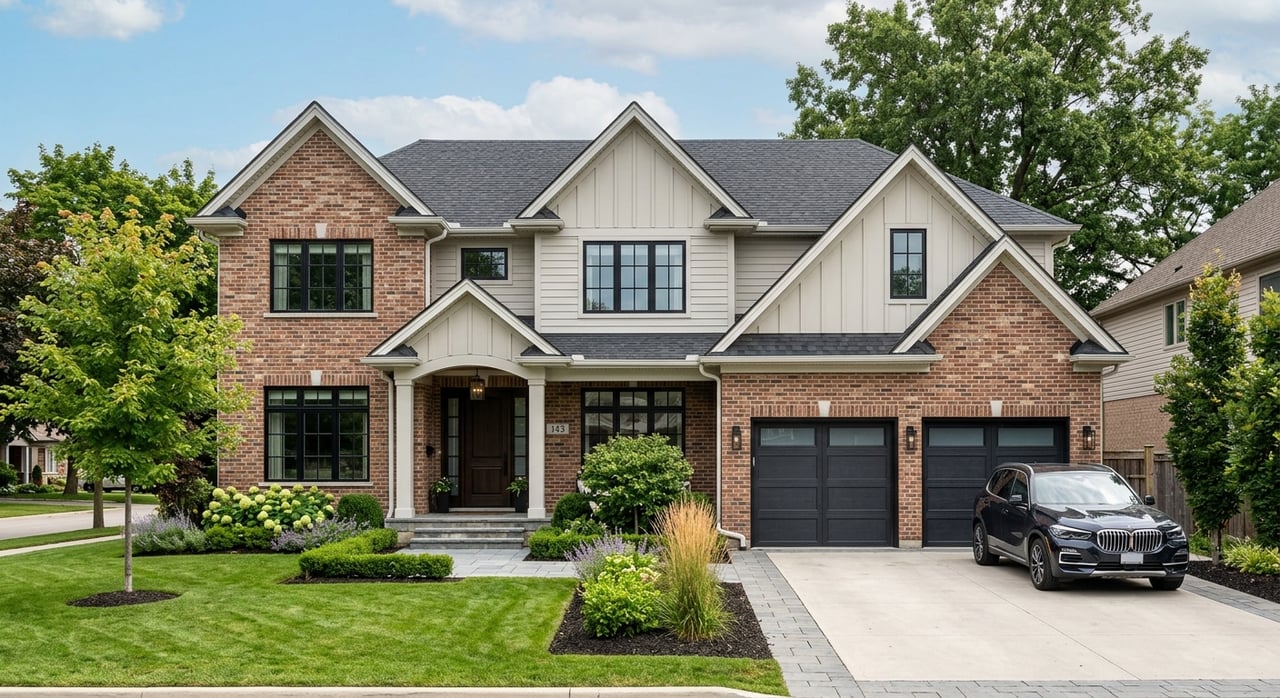
High Point does not have one single residential identity. Instead, it offers several different settings within the same city. That can be helpful if you are trying to match your housing choice to the way you want to live.
Some buyers are drawn to historic architecture and established streetscapes. Others want a broader suburban feel, access to recreation, or a location that balances neighborhood character with convenient regional access. High Point gives you multiple ways to approach that decision.
Historic districts and character homes
The city has four local historic districts: Johnson Street, Sherrod Park, West High Avenue, and Washington Street. These areas reflect different chapters of High Point’s development and include architectural styles and historically significant buildings from the late 19th and early 20th centuries. If you love older homes, mature surroundings, and visible neighborhood character, these districts may stand out.
It is also important to know that owners in local historic districts need Certificates of Appropriateness for exterior changes. That does not make these areas better or worse than other parts of the city, but it does mean the ownership experience is different. Buyers who value preservation often see that as part of the appeal.
Established suburban settings
If you prefer an established-suburban feel, the Uptown Suburbs district includes Johnson Place, Roland Park, The Parkway, Sheraton Hill, and Emerywood developments across more than 330 acres. These areas help show how High Point blends older suburban development with neighborhood identity and mature surroundings. For some buyers, that combination feels more settled and residential while still keeping city amenities within reach.
The Highland Cotton Mills Village district adds another layer with a mill-village pattern of industrial and residential historic properties in the southwest downtown area. Together, these areas make High Point feel varied rather than uniform. You can find a walkable historic setting, a classic older suburb, or a compact neighborhood with deep local roots depending on your goals.
What a normal week can look like
For many residents, a normal week in High Point is pretty straightforward. Workdays may involve a manageable drive, school or activity drop-offs, errands near home, and an evening walk or recreation plan. Weekends might include a trail, the lake, a library event, local sports, or dinner downtown.
That rhythm is a big part of the city’s appeal. High Point can feel connected to the larger Triad while still offering a day-to-day pace that is easier to manage. If you want a place that supports routine, recreation, and neighborhood variety, High Point has more depth than its national reputation suggests.
If you are trying to decide where you fit best, the key is to look beyond the headline. Your ideal part of High Point may depend on whether you want easier access to downtown, a home near parks and lakes, or a neighborhood with historic character and established streets. A local guide can help you narrow those choices based on how you actually want to live.
If you are planning a move to High Point or thinking about buying or selling in the Triad, Michelle Chapman can help you compare neighborhoods, match your goals to the right area, and make your next step feel clear and manageable.
FAQs
What is everyday life like in High Point, NC?
- Everyday life in High Point often includes short commutes, car-based errands, regular use of parks and trails, and social time in downtown or Uptowne outside Furniture Market season.
Which parts of High Point feel most walkable?
- The historic core, downtown, social district areas, and greenway-connected corridors are the parts of High Point most likely to feel walkable, while much of the city remains more auto-oriented.
Does High Point have good parks and outdoor spaces?
- Yes. High Point manages more than 1,400 acres of parkland, open space, lakes, and recreation facilities, including City Lake, Oak Hollow Lake, greenways, and trails at the Piedmont Environmental Center.
What transportation options are available in High Point?
- High Point offers major highway access, local bus service through High Point Transit, PART service links, microtransit, sidewalks, bike lanes, and daily Amtrak service at High Point Station.
What types of neighborhoods can you find in High Point?
- High Point includes local historic districts, established suburban-style areas, and compact historic neighborhoods, giving buyers a range of settings with different housing styles and daily routines.
Are there things to do in High Point outside Furniture Market?
- Yes. High Point has a year-round city calendar with library programs, parks and recreation activities, theatre, neighborhood meetings, festivals, sports, and dining in the Downtown and Uptowne social districts.